OpenAI launches Dots, an always-on agent that watches for you but can't act on what it finds
OpenAI's new always-on ChatGPT agent can monitor connected apps between conversations, but its own help pages cap unprompted research at read-only.
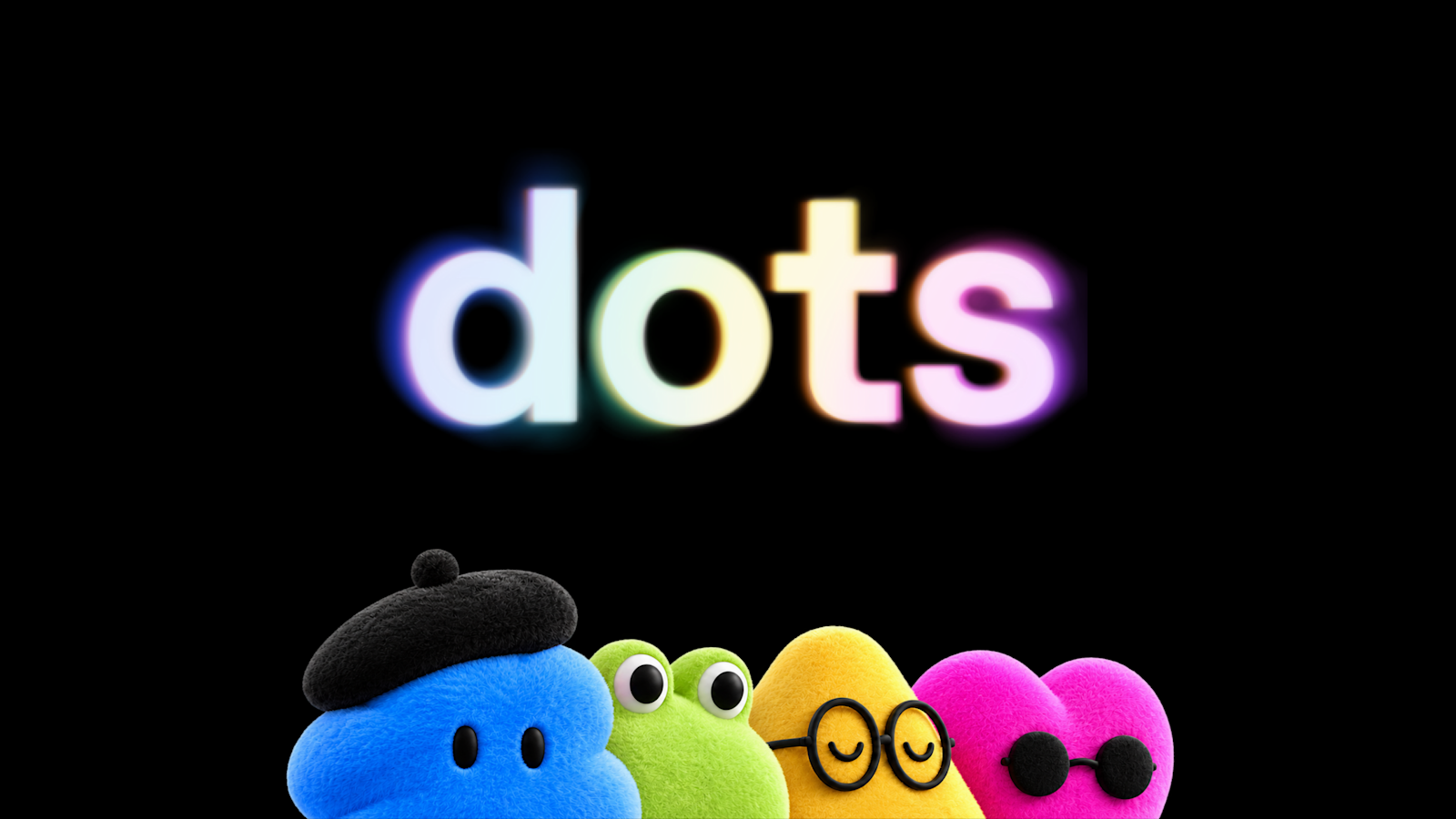
OpenAI has begun rolling out Dots, an always-on ChatGPT agent that keeps working on connected apps between conversations, and the detail most announcements skip is what a dot is allowed to do when nobody is watching it: read, not act.
Dots launched this week to ChatGPT Pro and Business Premium users in eligible markets, with a beta open to Enterprise, Edu and Healthcare workspaces. Built on GPT-6 Astra, a dot keeps its own cloud computer, connects to what OpenAI says is a catalog of more than 4,000 apps, and is reachable from ChatGPT, Slack or Teams. OpenAI frames the pitch around work a dot can finish before you ask: its launch post describes an internal case where an early tester's dot noticed an unsent invoice, prepared it and sent it once approved.
A monitoring agent with the write permissions switched off
The feature that matters for anyone running ongoing monitoring work is what OpenAI calls proactive research: a dot checking its connected sources for changes on its own, without a new prompt. Search Engine Journal dug into the help pages behind that feature and found a hard boundary that the launch post itself doesn't spell out as plainly. OpenAI's own documentation states a dot's unprompted research "cannot directly: send messages to other people, change content through plugins, control a browser or computer," and the publication reports that a user's Custom Rules cannot loosen that limit, nor can the dot override it itself.
Scheduled tasks, a feature ChatGPT already had, work differently: a dot can run a recurring check, such as reviewing a calendar every morning, inside an assigned conversation. Both modes draw on the same plugin connections, and disconnecting an app stops new access without erasing what a dot has already saved from it, since users currently can't inspect or edit a dot's individual memories.
Where this lands on a marketing team
Competitive monitoring, rank checks and campaign-setting audits are exactly the kind of recurring, read-then-report work OpenAI is describing, which is why Search Engine Journal's framing is worth sitting with: "Proactive research is read-only, so a dot can detect a change overnight." That is a genuine gap-filler for teams whose monitoring today resets with every manual check. It is not, on the evidence in OpenAI's own help pages, a tool that will reprice a campaign, pause a losing ad set or push a page edit on its own.
Two details from OpenAI's announcement narrow the marketing use case further. First, the worked examples OpenAI publishes for a dot's connected sources are a calendar, Slack and a personal email inbox — nothing resembling an analytics suite or a rank tracker shows up in the documentation, which means whether a dot can watch a GA4 property or a keyword position depends entirely on which of the 4,000 plugin integrations a given marketing team has already wired up, not on anything purpose-built for marketing monitoring. Second, OpenAI says its own "specialist dots," a separate enterprise tier with their own credentials and access, are already being piloted internally across functions that include email marketing, alongside procurement, invoice processing, customer support and commercial contracting. That pilot list is the clearest early signal of where OpenAI expects enterprise demand to land first, and a software marketing org weighing a specialist dot deployment should treat email operations, not paid search or SEO tooling, as the use case OpenAI itself has already tested.
There is also a sourcing gap worth naming plainly: OpenAI's own materials and this analysis are the only two inputs behind this piece, because no second newsroom had published original reporting on dots inside the five-day window this story needed to clear. That is normal for a fast-moving platform launch — trade press typically needs a few more days to run its own tests against a feature like proactive research before independently confirming or complicating a vendor's framing. Treat the specifics here as what OpenAI and one analyst have documented so far, not as a settled verdict on how dots perform once marketing teams outside OpenAI start connecting their own tools to one.
What to do differently
- Audit which marketing tools are already connected to your org's ChatGPT workspace plugins before assuming a dot can watch them — the read-only rule only reaches what's already plugged in.
- Route one narrow, recurring check to a dot first — a competitor pricing page or a single campaign dashboard — rather than a broad monitoring mandate.
- Keep a human in the loop for anything a dot's proactive research surfaces, since it can only draft a note, not act on it.
- Watch OpenAI's enterprise rollout for whether specialist dots extend beyond internal pilots like email marketing into customer-facing tools your team would use directly.
The rollout is also deliberately uneven. Pro access currently excludes the European Economic Area, Switzerland and the UK, while Business Premium is available across supported ChatGPT regions and the Enterprise beta is off by default until an admin turns it on. For a software marketing team evaluating this now, the near-term value sits narrowly in unattended monitoring, not execution — and that distinction is likely to blur as OpenAI expands what specialist dots are permitted to touch.
 Search
Google tells sites to fact-check AI content before publishing, and the rule now reaches your title tags
Sienna Mcpherson · 4 min read Messaging
Salesforce agrees to buy Listen Labs, giving marketers an AI shortcut to test messaging before real customers see it
Sienna Mcpherson · 4 min read Distribution