Google puts inline links higher in AI Overviews, and preferred-source usage is up sevenfold this year
An October 15 update reshuffles where links appear in AI Overviews and AI Mode, and gives marketers a new, largely unmeasured lever for visibility.
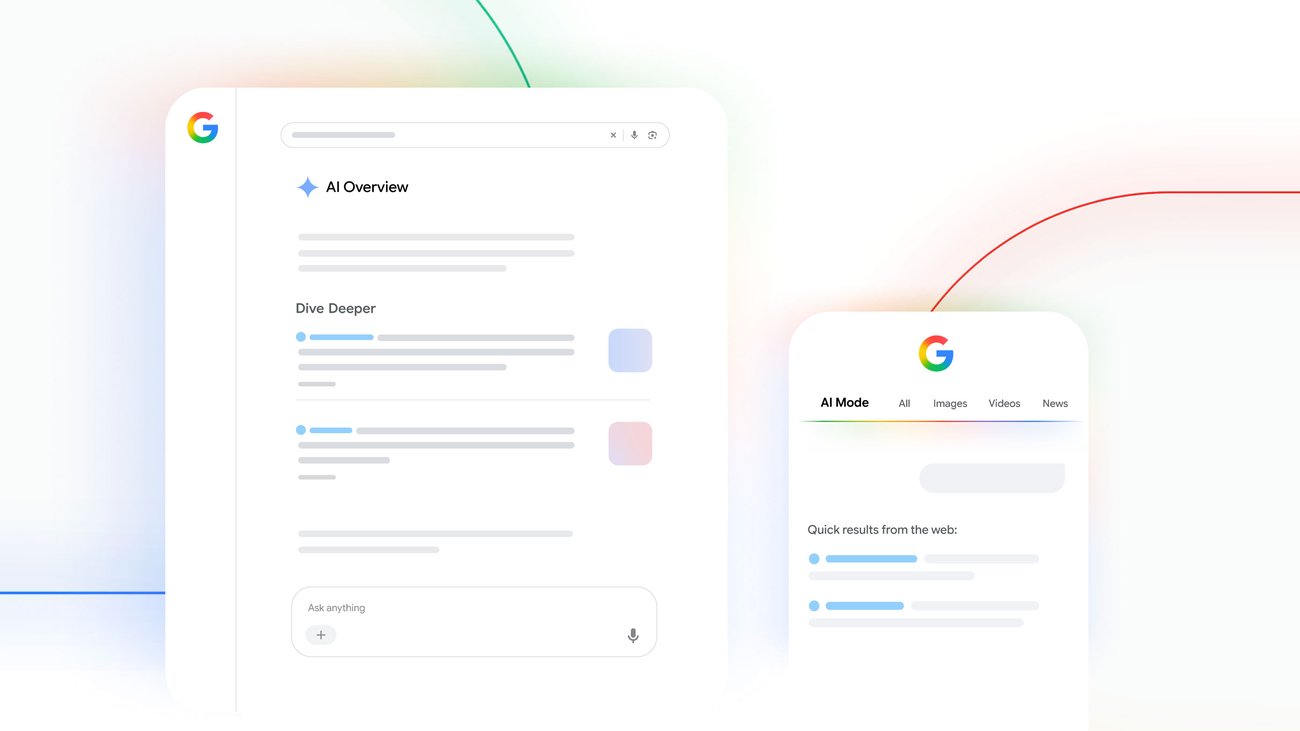
Google is changing where links show up inside AI Overviews and AI Mode, pushing inline links higher in responses more often, testing a dedicated top section for questions with only one or two authoritative answers, and expanding the carousels that favor sites people have chosen as preferred sources. Google's vice president of product management for search, Hema Budaraju, detailed the changes in an October 15 company blog post, and Search Engine Journal's review of the update adds the measurement detail Google left out.
What changed
Google describes five separate moves. Inline links, the ones embedded in a sentence rather than listed at the bottom, are being placed higher in a response more often; Google says only that it has made "continued and substantial increases to the presence of inline links", without a figure for how much more. Google is also testing a section at the very top of some AI Search answers, reserved for questions that only one or two official sources can answer, with a line on each link explaining why it is useful. Carousels for timely articles, which spotlight a user's chosen preferred sources, are rolling out to more countries and languages. Links at the bottom of a response are getting thumbnails and a more clickable layout, building on the "Dive Deeper" suggestions Google shipped in May. And this week Google began letting AI Mode show a clickable byline under video results, so tapping a creator's or publisher's name opens their Search profile, a page format it launched in June, open only to adult-owned Google accounts tied to 10,000 or more followers on YouTube, Instagram, X or TikTok.
The one number Google did share: use of its preferred-sources feature, where a signed-in user tells Google which sites to favor in AI answers, has grown to more than seven times its level at the start of the year.
Who it affects
Anyone whose traffic depends on being cited, not just ranked, inside Google's AI surfaces. That is most software companies running content marketing, docs, or a blog as a lead channel, since AI Overviews and AI Mode increasingly stand between a query and a click to any site. It also affects teams running video as a channel: if your product has an audience on YouTube past the 10,000-follower line, your name could start appearing as a clickable link on AI Mode video results, pointing at a Search profile rather than your own site.
The preferred-sources mechanism and the inline-link placement change are separate systems, and that distinction matters for where you spend effort. Inline-link placement is Google's own ranking logic; a site cannot opt into it directly. Preferred sources is opt-in by the reader, which means it rewards sites that ask, visibly and repeatedly, to be added, not just sites that already rank well.
The catch, per Search Engine Journal's reporting, is on the measurement side.
"Search Console assigns all links within each AI Overview the overview's one position in search results" (Search Engine Journal)So even where Google is making a site's link more prominent, the one dashboard most marketing teams use to track AI visibility won't show the improvement. You can get easier to click without Search Console showing why your numbers moved.
What to do about it
- Check whether your site is included in Search generative AI features in Search Console; Google's documentation lists that as a prerequisite for appearing in preferred-sources carousels at all.
- Put a visible, easy way for readers to add your site as a preferred source on the page itself. Google gives sites a button and deep link to do this; most are not using it.
- Don't read Search Console position data as a measure of link prominence in AI Overviews right now. A link moving from the bottom of a response to an inline mention near the top shows up identically in that report.
- If your company has a YouTube channel, newsletter sign-off, or founder who posts past 10,000 followers on one of the four eligible platforms, check eligibility for a Search profile now, before the AI Mode video link test expands.
Confirm your site's Search generative AI features status in Search Console, add a preferred-source prompt to high-traffic pages, and stop using position data alone to judge whether these changes are helping you.
What a software marketer should watch next
Google says it has no timeline for when the single-source answer section or the Search-profile video links will roll out beyond testing. The carousel expansion is live now, which means the fastest way to see any of this is to run your own branded and category queries inside AI Mode in the markets you sell into, rather than wait for an official date. None of these changes add a new reporting surface, so for now the only way to know if you are gaining ground is to look.
 Tools & Analytics
Bing Webmaster Tools adds topic-level AI citation data, and shows exactly where rivals get cited and you don't
Sienna Mcpherson · 4 min read Search
Google is poisoning SERPs to stop scrapers, and rank trackers can't tell the difference
Sienna Mcpherson · 5 min read Distribution